

Most adults spend around one-third of their lives in bed, yet few think critically about the surface they sleep on until something goes wrong. Your mattress is the foundation of healthy sleep, directly influencing how well your body recovers, how clearly you think, and how you feel when you wake up each morning.
Healthy sleep means more than just closing your eyes for eight hours. Achieving a goodnight'ss sleep is essential for overall health, pain relief, and long-term well-being. It involves consistent, restful nights with enough deep sleep and rem sleep to support physical repair, memory consolidation, and emotional balance. When these stages are cut short or fragmented, the effects ripple into every part of your day.
In 2024, more people than ever use sleep trackers and wearable devices that reveal exactly how their night went. These tools show time awake, sleep efficiency, and how long you spent in restorative stages. What many discover is that their mattress quality directly affects the outcome of theirnight'ss sleep, influencing how rested and restored they feel in the morning. Research shows that 93 percent of people attribute high-quality sleep to their mattress, yet average satisfaction scores sit at just 6.9 out of 10.
This article will explain why a mattress that supports healthy sleep matters so much, what happens when your bed is worn out, and how to choose one that supports long-term sleep health. Whether you are dealing with back pain, restless nights, or simply wondering if your current mattress is still doing its job, the following sections will give you practical guidance backed by current research.
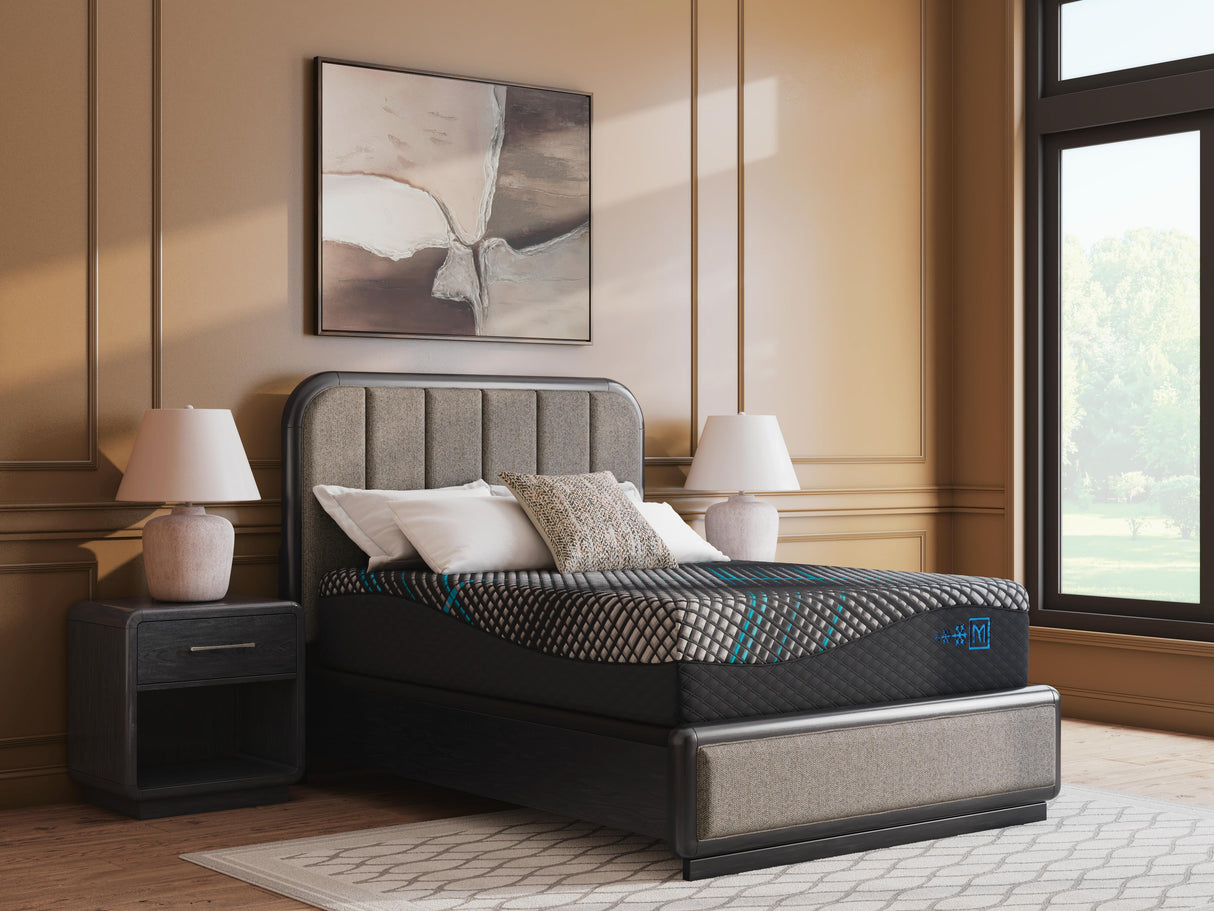
How a Supportive Mattress Changes Your Sleep
Switching from an old, sagging mattress to a supportive one often produces noticeable changes within the first one to two weeks. People commonly report falling asleep faster, experiencing fewer night awakenings, and feeling less stiff and sore in the morning. These improvements are not placebo effects. They reflect measurable shifts in how the body rests.
A good mattress keeps your spine aligned from neck to hips, allowing muscles to relax instead of working all night to compensate for poor support. When the body can truly rest, you spend more time in the deep stages of sleep that handle physical recovery and the rem sleep phases that consolidate memory and regulate mood. A study conducted on mattress firmness found that a medium firm mattress reduced sleep latency to just 7.71 minutes compared to 12.42 minutes on a soft mattress. Participants also showed more consistent sleep efficiency and fewer outliers who struggled to adapt.
Proper pressure relief at the shoulders, hips, and lower back reduces tossing and turning. When you are not shifting positions every few minutes to escape discomfort, your sleep cycles can run uninterrupted. A supportive mattress with good motion isolation also reduces stress by minimizing sleep disturbances caused by partner movement, helping you achieve a more relaxed and restorative sleep. Research using sleep trackers confirmed that people on pressure-relieving surfaces experienced longer total sleep time, reduced wake time after sleep onset, and increased proportions of both light and deep sleep.
Surface materials and design also help regulate body temperature, keeping sleepers in a comfortable range of roughly 60 to 67 degrees Fahrenheit. Studies associate this temperature zone with better sleep continuity. One investigation into cooling mattress technology tracked over 1,300 nights and found that sleepers gained an average of eight additional minutes in bed, with self-reported improvements in comfort, support, and morning refreshedness.
Consider someone replacing a ten-year-old coil mattress with a medium-firm hybrid. Within 14 days, they notice reduced back pain, longer uninterrupted sleep, and less grogginess in the morning. This is the kind of transformation a supportive mattress can deliver.
The Health Costs of Sleeping on a Poor Mattress
Inadequate mattress support connects directly to common complaints that chip away at quality of life: chronic lower back pain, neck stiffness, morning headaches, and persistent daytime fatigue. These issues often develop so gradually that people assume they are just part of getting older, when in reality, their bed is the culprit.
A sagging or worn-out mattress pushes the spine out of neutral alignment, compresses joints, and strains muscles throughout the night. Over months and years, this chronic misalignment increases pain and significantly reduces sleep quality. The body never fully recovers because it never gets the restful sleep it needs. People with poor sleep quality often wake up feeling more tired than when they went to bed.
The consequences extend well beyond morning aches. Research links fragmented, low-quality sleep to higher risks of obesity, type 2 diabetes, cardiovascular disease, and depression. When the body cannot complete its nightly repair cycles, inflammation rises, hormone regulation falters, and the immune system weakens. These are not minor inconveniences. They represent serious threats to overall health and well-being.
Fragmented sleep from an unsupportive surface specifically reduces time spent in deep and rem sleep. These stages are essential for memory consolidation, emotional regulation, reaction time, and cognitive function. Without adequate time in these phases, mental health suffers, stress levels increase, and daily performance declines. Even simple tasks become harder when the brain has not had the chance to properly rest.
Many mattresses lose significant support after seven to ten years. Around this point, people often notice increased pain and restlessness, even if the mattress still looks acceptable on the surface. If your current bed is approaching this age and you are experiencing any of these symptoms, the mattress deserves serious scrutiny.

What"Healthy Sleep Support” Really Means
A mattress that supports healthy sleep is more than just soft or firm. It balances several key factors: proper spinal alignment, effective pressure relief, motion control for couples, and temperature regulation that prevents overheating. When these elements work together, the body can enter and maintain the sleep stages that drive physical and mental recovery.
The following subsections break down each of these features in practical terms. Understanding what to look for will help you recognize whether your current mattress meets these criteria or whether it is time to consider a new mattress.
Spinal Alignment and Body Support
In a neutral sleeping position, your spine maintains its natural curves. When lying on your side, your ears, shoulders, and hips should stay roughly in line. When lying on your back, the lower back should feel supported without a noticeable gap or excessive pressure.
A mattress with proper support holds heavier areas like hips and shoulders without letting them sink too far, while still filling the space under your waist and lower back. This prevents the spine from bending into unnatural shapes that stress discs and ligaments. Guidance varies by sleep position: side sleepers usually feel best on a medium to medium soft surface that cushions the shoulder and hip, back sleepers often need medium firm support to keep the pelvis from sinking, and stomach sleepers typically require firmer support to prevent the lower back from sagging.
When spinal alignment is maintained throughout the night, strain on muscles, ligaments, and joints decreases significantly. This reduces the likelihood of waking with back or neck pain and supports deeper, more continuous sleep.
Pressure Relief and Muscle Relaxation
Pressure relief refers to how evenly a mattress distributes your body weight so no single area, like shoulders or hips, bears an excessive load. When pressure points are overloaded, circulation decreases, discomfort increases, and you shift positions frequently to find relief.
Materials like memory foam and natural latex excel at contouring to thebody'ss curves. They alleviate pressure points by spreading weight across a larger surface area, improving blood flow, a nd reducing the compression that causes numbness in arms and legs. One eight-week trial found that people sleeping on a pressure-relieving mattress showed significant improvements in their Pittsburgh Sleep Quality Index scores, along with reduced pain scores and less daytime fatigue.
When pressure is properly managed, tossing and turning decreases. Sleep cycles run longer without interruption, and time spent in deep sleep increases. Consider a side sleeper who consistently wakes with numb arms on a too-firm bed. After switching to a mattress with better cushioning at the shoulders, they sleep through the night without the discomfort that previously fragmented their rest.
Motion Isolation for Couples
Motion isolation describes amattress'ss ability to prevent movement on one side from rippling across to the other. For couples, this feature can mean the difference between solid sleep and constant disturbance.
When one partner is restless, works different shifts, or gets up during the night, a mattress with poor motion transfer will jostle the other sleeper awake. Over time, these micro-awakenings accumulate, reducing sleep quality for both people even when neither is consciously aware of the disturbances.
Foam mattresses and latex mattresses generally offer strong motion isolation because their dense materials absorb movement locally. Traditional innerspring mattresses tend to transfer more motion, though modern designs with pocketed coils perform much better. Hybrid mattresses that combine pocketed coils with foam or latex layers often deliver a good balance of motion isolation and support. If you share your bed, prioritizing this feature can help both partners stay asleep longer.
Temperature Regulation and Breathability
Overheating is one of the most common causes of nighttime wake-ups, especially during warmer months or for people prone to night sweats. When body temperature rises too high, the brain signals wakefulness, pulling you out of deeper sleep stages.
Breathable covers, airflow channels within the mattress structure, pocketed coils, and certain foams with cooling gels all help disperse heat and moisture. These features work together to keep you in the recommended bedroom temperature range of roughly 60 to 67 degrees Fahrenheit. A mattress that traps less heat makes it easier to maintain the cooler body temperature associated with quality sleep.
Research on temperature-regulating mattresses found that gently warming the cervical spine triggered peripheral blood flow increases that helped drop core temperature and initiate sleep 58 percent faster than baseline. The same technology showed added cardiovascular benefits, including slight overnight blood pressure reductions that support long-term health.

Mattress Quality and Durability: Investing in Long-Term Sleep Health
When it comes to achieving consistently high sleep quality, the importance of mattress quality and durability cannot be overstated. A high-quality mattress is more than just a comfortable place to rest;it'ss a foundation for better sleep, proper support, and overall well-being. Investing in a good mattress pays dividends for years, helping you wake up feeling refreshed, energized, and ready to take on the day.
A mattress that offers proper support and pressure relief is essential for maintaining healthy spinal alignment and reducing the risk of chronic pain, back or neck pain, and poor sleep quality. Medium-firm mattresses, especially those made from memory foam or natural latex, are often recommended for their ability to alleviate pressure points and promote restorative sleep. These materials contour to your body, providing targeted support that helps you fall asleep faster and stay asleep longer.
Different mattress types, such as innerspring mattresses, foam mattresses, and hybrid mattresses, each bring unique benefits. Foam mattresses, including those made from natural latex, excel at motion isolation and pressure relief, making them ideal for couples or anyone sensitive to movement during the night. Innerspring mattresses offer a traditional feel with reliable support and breathability, while hybrid mattresses combine the best of both worlds for balanced comfort and temperature regulation.
Choosing the right mattress means considering your sleep position, body type, and personal preferences. Side sleepers often benefit from a softer surface that cushions the shoulders and hips, while back and stomach sleepers may need a firmer mattress to maintain proper spinal alignment and prevent discomfort. A mattress that feels comfortable and supportive for your unique needs can help regulate body temperature, reduce stress levels, and support a healthy lifestyle.
Neglecting mattress quality can have serious consequences. Poor sleep quality and inadequate support from a worn-out mattress are linked to increased risks of cardiovascular disease, impaired cognitive function, and mental health challenges. Inadequate sleep can also lead to higher stress levels, mood disturbances, and a weakened immune system. Research shows that replacing your mattress every 8-10 years is crucial for maintaining good sleep quality and supporting your overall health.
Beyond the mattress itself, creating a healthy sleep environment is key. Keep your bedroom dark, quiet, and cool, and avoid blue light exposure before bedtime to support yourbody'ss natural sleep rhythms. Opt for a breathable mattress with temperature regulation features to help you stay comfortable throughout the night and enjoy truly restful sleep.
Ultimately, investing in a high-quality mattress is an investment in your long-term sleep health and overall well-being. By prioritizing mattress durability, proper support, and your personal comfort, you can enjoy better sleep, reduced pain, and a healthier, more vibrant life. A good mattress can help you wake up feeling refreshed and ready to embrace each new day, proving that a restfulnight'ss sleep is one of the most valuable gifts you can give yourself.
When to Replace Your Mattress for Better Sleep
Most mattresses should be reevaluated around the seven to ten-year mark, even if they still look acceptable on the surface. Internal materials break down over time, losing the ability to provide the support and pressure relief that once made the bed feel comfortable.
Clear physical signs indicate a mattress is undermining your sleep health. Look for visible sagging, permanent body impressions deeper than one to two inches, lumps or unevenness, and squeaking springs or coils. Any of these problems signals that the internal structure has degraded beyond its useful life.
Subjective signs matter just as much. If you consistently sleep better in hotels or atfriends'’ homes, if falling asleep takes longer than it used to, or if you wake up more often during the night compared to a few years ago, your old mattress may be the issue. Many people underestimate how much their aging bed affects sleep until they switch and notice improvements in pain, alertness, and mood within a few weeks.
A practical approach is keeping an informal sleep diary or using a sleep tracking device for a couple of weeks before and after a mattress change. Track how long it takes to fall asleep, how often you wake, and how you feel in the morning. These data points make it easier to see whether a new mattress delivers measurable improvements in sleep duration and quality.
How to Choose a Mattress That Supports Healthy Sleep
Choosing a mattress that supports long-term sleep health requires more than lying on a showroom model for thirty seconds. The goal is to match mattress type, firmness, and features to your body type, sleep position, and personal preferences. The following guidance will help you navigate these decisions with confidence.
Match Firmness to Your Sleep Position and Body Type
Firmness preferences vary based on how you sleep. Side sleepers usually prefer medium to medium-soft mattresses that cushion the shoulder and hip while keeping the spine straight. Back sleepers often do best on a medium-firm mattress that supports the pelvis without creating pressure. Stomach sleepers typically need firmer support to prevent the lower back from arching downward.
Body weight also influences how a mattress feels. Lighter individuals experience mattresses as firmer because they do not compress the materials as much, so they may benefit from more cushioning. Heavier individuals sink deeper and often need firmer, more supportive cores to maintain proper alignment. A firm mattress that feels comfortable for someone at 120 pounds might feel like sleeping on concrete for someone at 200 pounds.
When testing mattresses, spend at least 10 to 15 minutes in your typical sleep position. Pay attention to pressure on your shoulders and hips. Notice whether your lower back feels supported or whether there is a gap or excessive sinking. A mattress that feels comfortable initially may reveal problems after a few minutes, so take your time.
Understand Mattress Types and Their Support Profiles
Major mattress categories include all foam, latex, innerspring, and hybrid designs. Each has distinct characteristics that affect support, pressure relief, and motion isolation.
All foam mattresses and latex mattresses excel at contouring to the body and relieving pressure points. They typically offer excellent motion isolation, making them popular with couples. Memory foam provides deep contouring, while natural latex offers a more responsive, slightly bouncier feel with good durability.
Innerspring mattresses provide a traditional feel with more bounce and better airflow through the coil system. They tend to sleep cooler but may transfer more motion unless they use individually pocketed coils. Hybrid mattresses combine pocketed coils with foam or latex comfort layers, aiming to deliver balanced support, pressure relief, and temperature regulation.
No single type is universally best. The right mattress depends on your sleep position, body type, temperature preferences, and whether you share your bed. Focus on how a specific mattress addresses your needs rather than chasing a particular category.
Consider Your Health Needs and Lifestyle
If you deal with chronic pain, arthritis, or joint issues, prioritize support and pressure relief above other features. A high-quality mattress can significantly reduce discomfort, but persistent pain warrants a conversation with a healthcare professional for expert guidance tailored to your situation.
Allergy-prone sleepers may benefit from mattresses with materials that resist dust mites and mold, along with removable, washable covers. Look for hypoallergenic certifications if respiratory issues or skin sensitivities are concerns.
Lifestyle factors also matter. Couples benefit from strong edge support that maximizes usable sleeping space and motion isolation that prevents disturbances. People living in hot climates should prioritize breathable materials and cooling features. If you frequently share your bedroom with pets or children, durability and ease of cleaning become more important considerations.

Prioritizing Your Sleep Health with the Right Mattress
A mattress that supports healthy sleep delivers measurable benefits across multiple dimensions. It maintains proper spinal alignment, reduces pressure at vulnerable joints, limits partner disturbances, and helps regulate body temperature throughout the night. Together, these factors boost sleep quality in ways that translate directly into better days.
Quality sleep supports physical repair, cognitive function, mood stability, immune function, and long-term health. When you invest in the right mattress, you are not purchasing a luxury item. You are making a meaningful commitment to your overall well-being and a healthy lifestyle that compounds over time.
Reassess your mattress regularly, especially after major life changes like significant weight fluctuations, injury, pregnancy, or simply aging. Support needs evolve, and what worked five years ago may no longer serve your body today. A mattress can help you sleep well only as long as it matches your current needs.
A simple action plan for this week: evaluate your current sleep quality by noting how long it takes to fall asleep, how often you wake, and how you feel in the morning. Inspect your mattress for visible wear, sagging, or impressions. Note any daily pain, fatigue, or stiffness that might connect to your sleep environment. If problems emerge, begin researching or testing mattresses that better match your body and sleep position.
Improving your sleep surface is one of the most direct ways to start improving your overall health and daily energy. A goodnight'ss sleep is not a luxury. It is the foundation of a life where you wake up feeling refreshed, alert, and ready to engage fully with each day. Your rest matters, and so does the bed you rest on.
Shop Mattresses at Galleria Furniture Today!

Your bedroom deserves comfort and support that helps you rest and recharge. At Galleria Furniture, our mattress collection features a wide range of styles and firmness levels, designed to suit every sleep preference. From memory foam and innerspring to hybrid options, each mattress is crafted for lasting comfort, support, and quality.
Browse our mattress collection today and find the perfect bed for a better night’s sleep. Whether you’re upgrading an old mattress or furnishing a new bedroom, the right mattress can make every night more restful and every morning more refreshing.