
 The sofa is the most-used seat in most homes. It’s where you collapse after work, where Sunday movies happen, where kids build cushion forts, and where friends gather on Friday evenings. Since 2020, it’s also become a home office for millions. Most people keep a sofa for 7–15 years, which means your choice today affects your physical health, daily habits, and home atmosphere for the better part of a decade. Selecting the right sofa can reduce chronic pain, support better posture, improve sleep quality, and make social time more enjoyable. It’s not just furniture, it’s the foundation of how you live at home.
How the Right Sofa Boosts Physical Comfort and Health
Sofa comfort connects directly to posture, joint health, and how you feel when you stand up after long hours of sitting. A superior seating experience is achieved through features like ergonomic design and adjustability, which provide enhanced comfort, support, and customization to fit your needs. The right furniture supports your body rather than working against it, influencing everything from your energy levels to whether you wake up stiff the next morning.
Seat Height and Depth: The Numbers That Matter
The correct height for most adults falls between 43 and 48 cm from floor to seat top. This allows you to sit upright with feet flat on the ground and knees at roughly 90 degrees. Seat depth matters too, ideally between 50–60 cm, so your back reaches the cushions without cutting off circulation behind your knees.
Having seating at the same height in a room promotes comfort and encourages egalitarian interactions during group gatherings, making conversations more relaxed and inclusive.
Many adults in their 30s–60s spend 2–4 hours per day on their sofa. Poor support during those hours can contribute to:
-
Lower back pain and stiffness
-
Neck and shoulder tension
-
Hip discomfort from uneven weight distribution
-
Fatigue from constantly adjusting position
Firmness and Lumbar Support
Match sofa firmness to how you actually use it:
|
Use Pattern |
Recommended Firmness |
Why It Works |
|---|---|---|
|
Sitting to read or work |
Medium-firm |
Helps you sit upright and maintain an alert posture |
|
Evening lounging and TV |
Medium to medium-soft |
Allows relaxation while still offering support |
|
Napping |
Medium with soft cushions on top |
Prevents sinking while remaining comfortable for longer periods |
Finding the sweet spot between firmness and support enhances comfort and helps you maintain focus, preventing both discomfort and drowsiness.
Proper lumbar support prevents the “hammock effect” where your lower back sags into a void. The ideal choice keeps your spine’s natural curves intact. When hips and knees stay roughly level, you reduce pressure on your lower back and improve circulation.
The right armrest height, roughly level with your elbows when seated, can also reduce strain on shoulders and wrists. This matters especially if you scroll through your phone or occasionally work on a laptop while lounging.

Emotional Well-being: Creating a Daily Retreat at Home
A sofa can function as a “home base” for emotional recharge. After commuting, parenting, or finishing a demanding shift, sinking into comfortable furniture signals to your body that it’s time to decompress. The right sofa creates a relaxing environment that actively supports your well-being.
Texture, Colour, and Calm
Soft, tactile materials make a significant impact on how a space feels inviting. Consider:
-
Chenille and bouclé: Warm to the touch, visually cozy
-
Washed cotton and linen: Breathable, natural materials that age well
-
Velvet: Adds depth and luxury without overwhelming smaller spaces
Neutral tones like beige, warm grey, and cream create visual calm, while deeper shades like forest green or rust add personality without creating visual chaos. Colour and texture work together to lower perceived stress levels. Your living room should feel like a retreat, not a showroom.
The Sofa as a Restorative Space
Think about real situations where a sofa becomes essential:
-
Reading in a corner configuration on a rainy evening
-
Cuddling with children after school
-
Decompressing alone after a long day
-
Enjoying morning coffee before the house wakes up
A sofa that feels safe and enveloping, think high back, generous depth, or corner configuration, encourages your nervous system to switch into rest-and-digest mode. This isn’t just about relaxation in the moment. Regularly unwinding on a supportive sofa instead of at a desk or hard chair can support better sleep patterns by reducing physical tension before bed.
Consider building a consistent ritual around your seating area: evening tea, nightly reading, or Sunday morning lounging. The right sofa makes these habits sustainable and genuinely restorative.
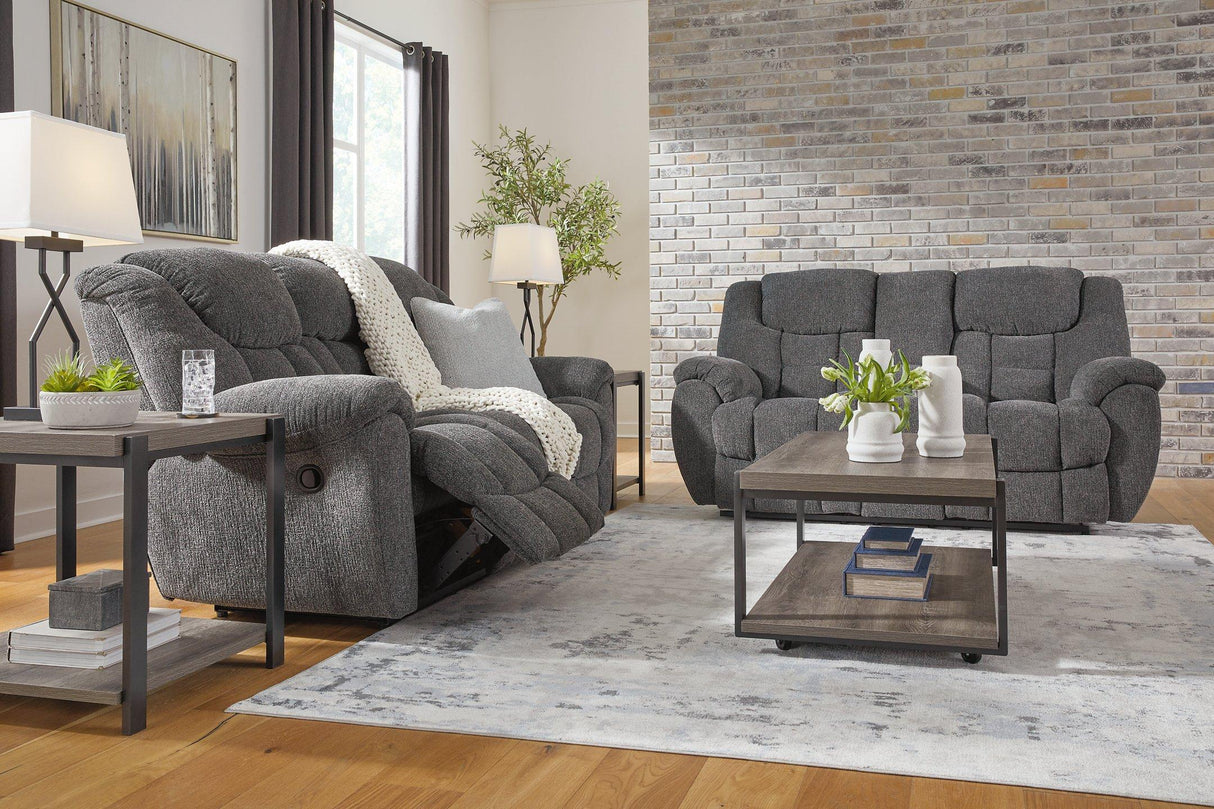
Everyday Functionality: Matching Sofa Design to Real-Life Use
The right sofa makes daily life smoother. It’s easier to clean, seats guests comfortably, and adapts to your changing practical needs throughout the week. Functionality isn’t glamorous, but it determines whether your furniture plays well with your actual routine.
Configuration Options
Different layouts suit different living spaces and family types:
|
Configuration |
Best For |
Typical Dimensions |
|---|---|---|
|
3-seater with chaise |
20–25 m² living room, couples or small families |
250–280 cm total length |
|
Compact 2.5-seater |
City apartments, smaller spaces |
180–200 cm |
|
Modular sectional |
Open-plan spaces, growing families |
Customisable |
|
Classic 2-seater |
Second seating option, bedrooms, studies |
150–170 cm |
Practical Features for Busy Households
For households with pets and children, durability matters:
-
Removable, washable covers: Essential for spills and pet hair
-
High legs: Allow easy vacuuming underneath
-
Stain-resistant fabrics: Performance weaves handle daily life better than delicate materials
-
Rounded corners: Safer for small children
If anyone occasionally sleeps on the sofa, whether guests or teenagers claiming the living room, look for at least 200 cm in length. Some modular designs or sofa beds offer this without compromising seating comfort.
A well-chosen sofa can double as a workspace (firm cushions, supportive back) or guest bed (deep seat, adequate length) without requiring separate furniture pieces for each function.

Furniture Arrangement for Maximum Comfort
Arranging furniture is more than just filling a room; it’s about creating a living space that feels inviting, supports your well-being, and reflects your personal taste. The right furniture arrangement can transform even smaller spaces into cozy retreats, while the wrong setup can leave a room feeling cramped or chaotic. When choosing furniture, it’s essential to consider both aesthetic appeal and practical needs, ensuring each piece contributes to a relaxing environment that suits your everyday life.
Start by thinking about how you use your living room or bedroom. In the living room, arranging furniture pieces like sofas, chairs, and coffee tables to encourage conversation and relaxation is key. Position your right sofa to maximize natural light and create a comfortable seating area for movie nights or quiet evenings. In smaller spaces, opt for clean lines and neutral tones to keep the room feeling open and airy, while soft cushions and natural materials add warmth and comfort.
Proper lumbar support is crucial, especially if you spend long hours sitting. Ergonomic designs and the right sofa can help reduce pressure on your back and promote better posture, making a significant impact on chronic pain and overall well-being. In the bedroom, thoughtful placement of bedroom furniture, like beds and dressers, can improve sleep quality by fostering a peaceful, clutter-free atmosphere. Soft bedding and supportive pillows further enhance comfort, helping you unwind and recharge.
When arranging furniture, consider the flow of traffic and the placement of focal points such as a fireplace or a statement coffee table. The key lies in finding the perfect balance between style and function. Whether you prefer traditional styles or are drawn to the latest furniture trends, unique furniture pieces can add visual interest and express your unique taste without overwhelming the space.
Don’t overlook the power of natural materials; wood, linen, and plants can make any room feel more inviting and grounded. And remember, your personal preference should guide your choices. A well-planned furniture arrangement not only looks beautiful but also supports your daily routines, reduces stress, and creates a space where you can truly relax.
Ultimately, arranging furniture with intention is about more than just style; it’s about enhancing comfort, supporting your physical health, and creating a home that feels like your own. By choosing the right furniture and arranging it thoughtfully, you set the stage for better posture, pain relief, and a more enjoyable everyday life.
Social Connection: How Sofas Shape Conversations and Relationships
The sofa is often the social heart of the home. Its shape and position influence how people interact, talk, and spend time together. Furniture arrangement affects whether conversations flow naturally or feel awkward.
Layouts That Encourage Connection
Corner or L-shaped sofas naturally turn people toward each other, encouraging eye contact and relaxed conversation. This layout works well for:
-
Catching up with friends over drinks
-
Family discussions
-
Game nights where everyone needs to see each other
A long, linear sofa facing a TV is ideal for movie nights but less suited to deep conversations. Adding a side chair or ottoman creates a loose U-shape that balances both functions.
Seating Distance and Comfort
For conversation to feel natural, aim for 120–200 cm between seated positions. Closer feels cramped; farther feels disconnected. This matters especially when hosting guests or extended family.
Consider specific occasions:
-
Birthday gatherings: Enough seating options for 6–8 people without borrowing dining chairs
-
New Year’s Eve: Comfortable lounging positions for a long evening
-
Weekend games: Visibility across the seating area so everyone can participate
Inclusive Seating
Think about accessibility when choosing furniture. Seat heights that work for older relatives (not too low, not too soft) make everyone feel welcome. Firmer cushions help people with reduced mobility stand up more easily. Good furniture choices mean nobody feels left out.

Style and Space: A Sofa That Elevates Your Home, Not Just Fills It
The sofa is the visual anchor of most living rooms, often the largest and most eye-catching piece. Choosing the right proportion and style creates balance, adds visual interest, and makes your space feel intentional rather than cluttered.
Proportion and Placement
A general rule: sofa length should be roughly two-thirds of the wall it sits against. This creates balance without overwhelming the room or blocking walkways. In smaller spaces, a compact sofa paired with low coffee tables and light colours can make the room feel larger.
Colour and Material Guidance
|
Approach |
Best For |
Considerations |
|---|---|---|
|
Neutral tones |
Longevity, easy style updates |
Add personality through cushions and throws |
|
Bold colours |
Personal taste, focal points |
May feel dated faster |
|
Textured fabrics (linen, velvet) |
Depth and visual interest |
Consider durability for daily use |
|
Leather |
Clean lines, durability |
Temperature-sensitive, requires conditioning |
Timeless silhouettes with clean lines work well across changing furniture trends. A sofa with simple proportions can stay relevant for 8–10 years, while highly trendy shapes may feel dated within 3–4 years.
Harmony with Existing Elements
Before buying, consider:
-
Flooring colour and material
-
Wall colour
-
Existing rugs and coffee tables
-
Amount of natural light
-
Room scale and ceiling height
Your sofa should harmonise with these elements rather than compete with them. The aesthetic appeal of a room comes from cohesion, not from each piece demanding attention.
A Practical Tip
Measure doorways, staircases, and lifts before ordering. Many delivery issues stem from sofas that technically fit the living room but can’t physically enter the building. This simple step saves frustration and returns logistics.

Buying Smart: Balancing Budget, Quality, and Long-Term Value
A sofa is a long-term investment in comfort and daily life, not just a quick decor purchase. The key lies in balancing upfront cost against years of use.
Where to Prioritise Your Budget
Focus spending on the main sofa rather than rarely used accent furniture. It’s the piece used every day by everyone in the household. Allocating more budget here makes practical sense.
What to Check for Quality
When evaluating new furniture, look for:
-
Frame materials: Kiln-dried hardwood or engineered wood resist warping
-
Joinery: Dowelled, screwed, or corner-blocked joints outlast stapled frames
-
Cushion construction: High-density foam (1.8+ kg/m³) with springs maintains shape
-
Fabric durability: Rub counts of 25,000+ for daily use, 40,000+ for heavy use
The Long-Term Calculation
A well-made sofa may cost 2–3 times more upfront but can last 10–15 years with proper care. Budget sofas often show significant wear within 3–5 years, requiring replacement that disrupts your home and budget twice over.
Smart Shopping Habits
-
Test seat depth and height in person when possible
-
Sit for at least 10–15 minutes to assess true comfort
-
Check return policies and warranty terms
-
Ask about frame and cushion guarantees specifically
Aligning with Future Plans
Consider your life trajectory when arranging furniture purchases:
-
Growing family? Look for modular designs that expand
-
Working from home more often? Prioritise ergonomic designs with firmer support
-
Potential relocation? Consider standard dimensions that fit various spaces
Your personal space evolves, and the perfect balance between style and function should account for where you’re headed, not just where you are today.

Conclusion: A Better Sofa, A Better Everyday
The right sofa supports your body through long hours of use, calms your mind after demanding days, streamlines household routines, and enriches time spent with family and friends. It’s not just about pain relief or aesthetic appeal; it’s about how you actually experience your home.
Choosing carefully now saves discomfort, clutter, and replacement costs over the coming decade. Before deciding on size, firmness, and style, think honestly about how you actually live: how many people use the sofa, for what activities, and at what times of day. Your unique taste and practical needs should drive the decision.
Investing time in selecting the right sofa is effectively investing in better evenings, better weekends, and better overall well-being at home. The choice you make today shapes thousands of moments to come.
Get Your Living Room Furniture at Galleria Furniture Today

Your living room is the heart of your home, where comfort, style, and everyday living come together. At Galleria Furniture, our living room furniture collection includes sofas, sectionals, chairs, and accent pieces designed to suit any space and lifestyle. Each piece is crafted for comfort, durability, and lasting quality to help you create a living room that’s both inviting and functional.
Explore our living room furniture selection today and find the perfect pieces to refresh your home. Whether you’re updating a single item or furnishing the entire room, Galleria Furniture offers options that combine style, practicality, and comfort.